A Practical Guide for Beginners
How to Start a Small-Scale Mining Business in Africa
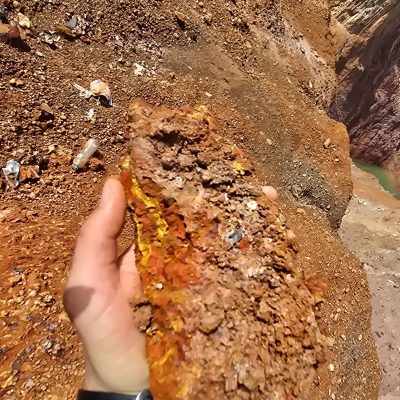
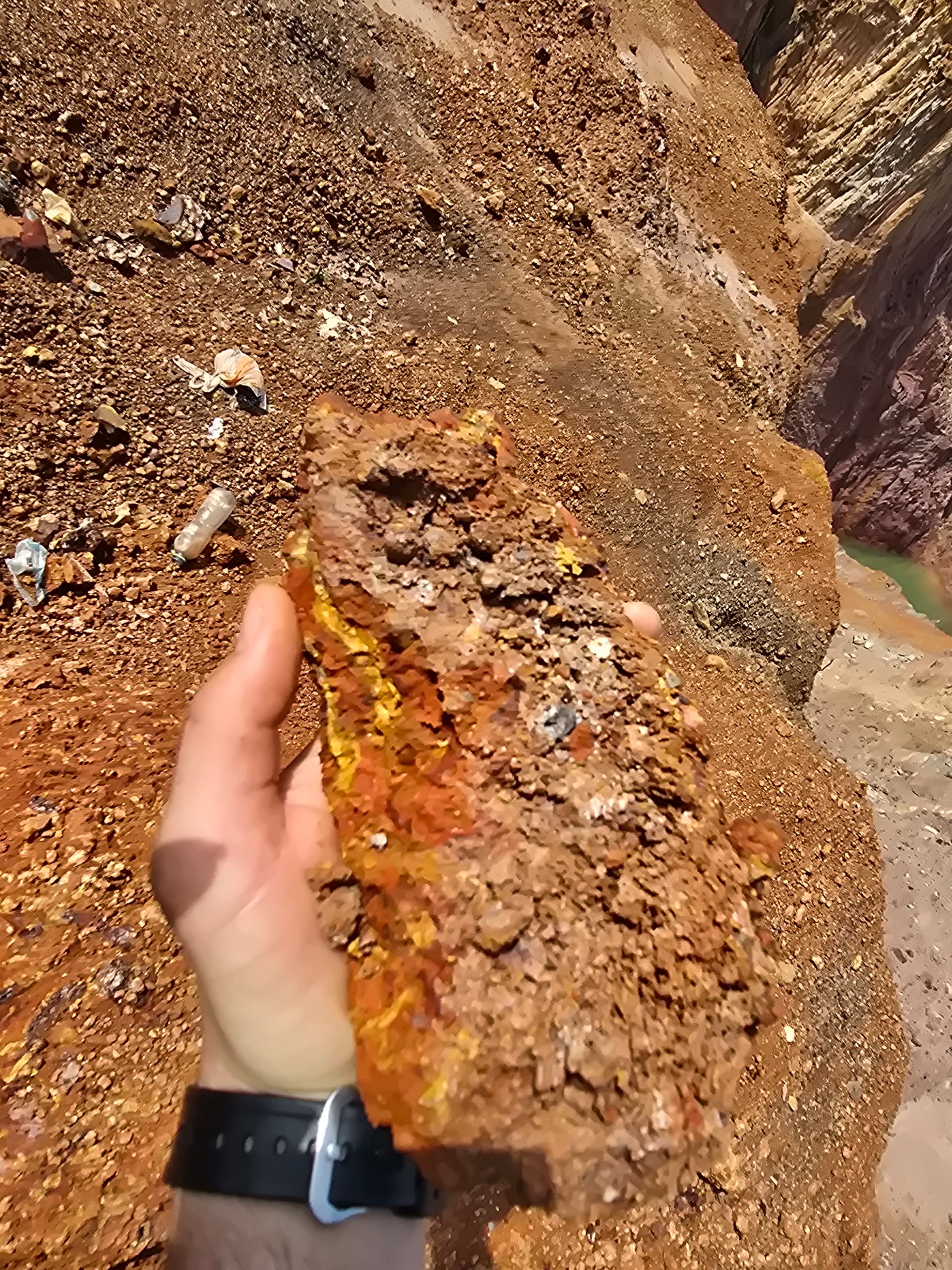
Such as gold, diamonds, lithium, cobalt, copper, and iron ore.
Africa is one of the most mineral-rich regions in the world, blessed with valuable resources such as gold, diamonds, lithium, cobalt, copper, and iron ore. Small-scale mining has become an important economic activity across many African countries, creating employment opportunities and generating income for thousands of individuals and communities.
For aspiring entrepreneurs, small-scale mining offers a promising entry point into the mining industry without the enormous capital required for large mining operations. However, starting a mining business requires proper planning, compliance with regulations, and a good understanding of the market.
This guide explains the key steps to starting a successful small-scale mining business in Africa.
1. Understand the Mining Opportunity
Before starting, it is important to identify the mineral you want to mine and the location where it can be found. Africa offers opportunities in different minerals depending on the region.
Common minerals mined by small-scale operators include:
- Gold
- Tin
- Tantalite
- Lithium
- Gemstones
- Sand and gravel
- Limestone
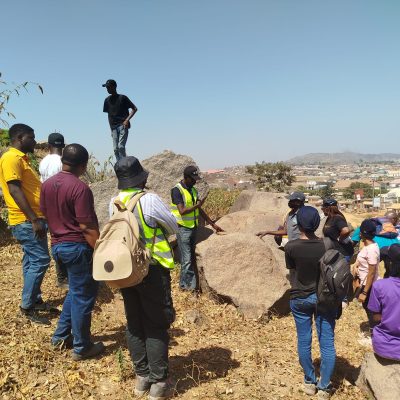
You should conduct basic geological research or consult local mining authorities to confirm the presence of minerals in the area you plan to operate.
In many cases, working with a geologist or mining consultant can help you avoid costly mistakes.
2. Legal Requirements and Mining Licenses
Mining is a regulated industry in most African countries. Before starting operations, you must obtain the necessary licenses and permits from government authorities.
Although the exact requirements vary by country, common licenses include:
Prospecting License
This allows you to explore land to determine whether minerals exist in commercial quantities.
Small-Scale Mining License
This permit allows individuals or small companies to mine minerals within a specified area.
Environmental Permit
Most governments require miners to submit an environmental plan that explains how the land will be protected or restored.
Land Access Agreement
You may also need permission from local communities or landowners before mining activities begin.
Operating without proper licenses can lead to legal penalties, closure of the mine, or confiscation of minerals.
3. Equipment Needed for Small-Scale Mining
The type of equipment required depends on the mineral being mined. However, small-scale mining operations generally rely on basic tools and lightweight machinery.
Common equipment includes:
- Excavators or small digging machines
- Shovels and pickaxes
- Crushing machines
- Washing or processing equipment
- Water pumps
- Safety equipment such as helmets, boots, and gloves
- Mineral detection tools
For gold mining, additional equipment such as sluice boxes, gold pans, and gravity concentrators may be needed.
Many beginners start with manual or semi-mechanized equipment before gradually upgrading as their business grows.
4. Estimated Cost of Starting
The startup cost of a small-scale mining business varies depending on the mineral, location, and scale of operation.
Typical cost components include:
Licensing and Registration
Government permits and documentation.
Equipment Purchase or Rental
Mining tools, machinery, and processing equipment.
Land Preparation
Clearing land and setting up mining areas.
Labor Costs
Hiring workers, technicians, and supervisors.
Transportation
Moving equipment and minerals to processing or selling locations.
Environmental Compliance
Implementing environmental protection measures.
A basic small-scale mining operation may require an initial investment ranging from $5,000 to $100,000, depending on the scale and equipment involved.
Entrepreneurs can raise capital through partnerships, investors, cooperatives, or mining associations.
5. Environmental and Safety Considerations
Responsible mining practices are critical to protecting the environment and local communities.
Small-scale miners should adopt sustainable practices such as:
- Avoiding the use of harmful chemicals where possible
- Proper waste disposal
- Preventing water pollution
- Rehabilitating mined land after operations
- Protecting nearby forests and farmland
Safety is also essential. Mining can be dangerous if proper precautions are not taken.
Operators should ensure:
- Workers wear protective equipment
- Mining pits are properly supported
- Equipment is regularly maintained
- Workers receive basic safety training
Responsible mining helps build community trust and ensures long-term sustainability.
6. Marketing and Selling Minerals
After mining and processing minerals, the next step is finding reliable buyers.
Common channels for selling minerals include:
Local Mineral Markets
Many mining regions have official mineral trading centers.
Licensed Mineral Buyers
Government-approved buyers often purchase minerals directly from miners.
Export Companies
Some companies specialize in exporting minerals to international markets.
Industrial Buyers
Manufacturers that require minerals for production processes.
To maximize profits, miners should understand the current market price of minerals and ensure proper grading and quality control.
Building relationships with trusted buyers and brokers can help ensure consistent sales and better pricing.
7. Build Partnerships and Join Mining Associations
Networking plays a major role in the success of a mining business.
Joining mining cooperatives or associations can provide benefits such as:
- Access to training and technical knowledge
- Shared equipment and resources
- Better negotiation power with buyers
- Access to funding opportunities
- Government support programs
Collaboration can significantly reduce costs and improve profitability for small-scale miners.
Conclusion
Small-scale mining presents a powerful economic opportunity for entrepreneurs in Africa. With the continent’s abundant mineral resources, individuals and small businesses can build profitable ventures while contributing to local economic development.
However, success in mining requires careful planning, legal compliance, responsible environmental practices, and strong market connections.
By understanding the regulatory requirements, investing in the right equipment, and building reliable partnerships, beginners can successfully establish and grow a sustainable small-scale mining business in Africa.