
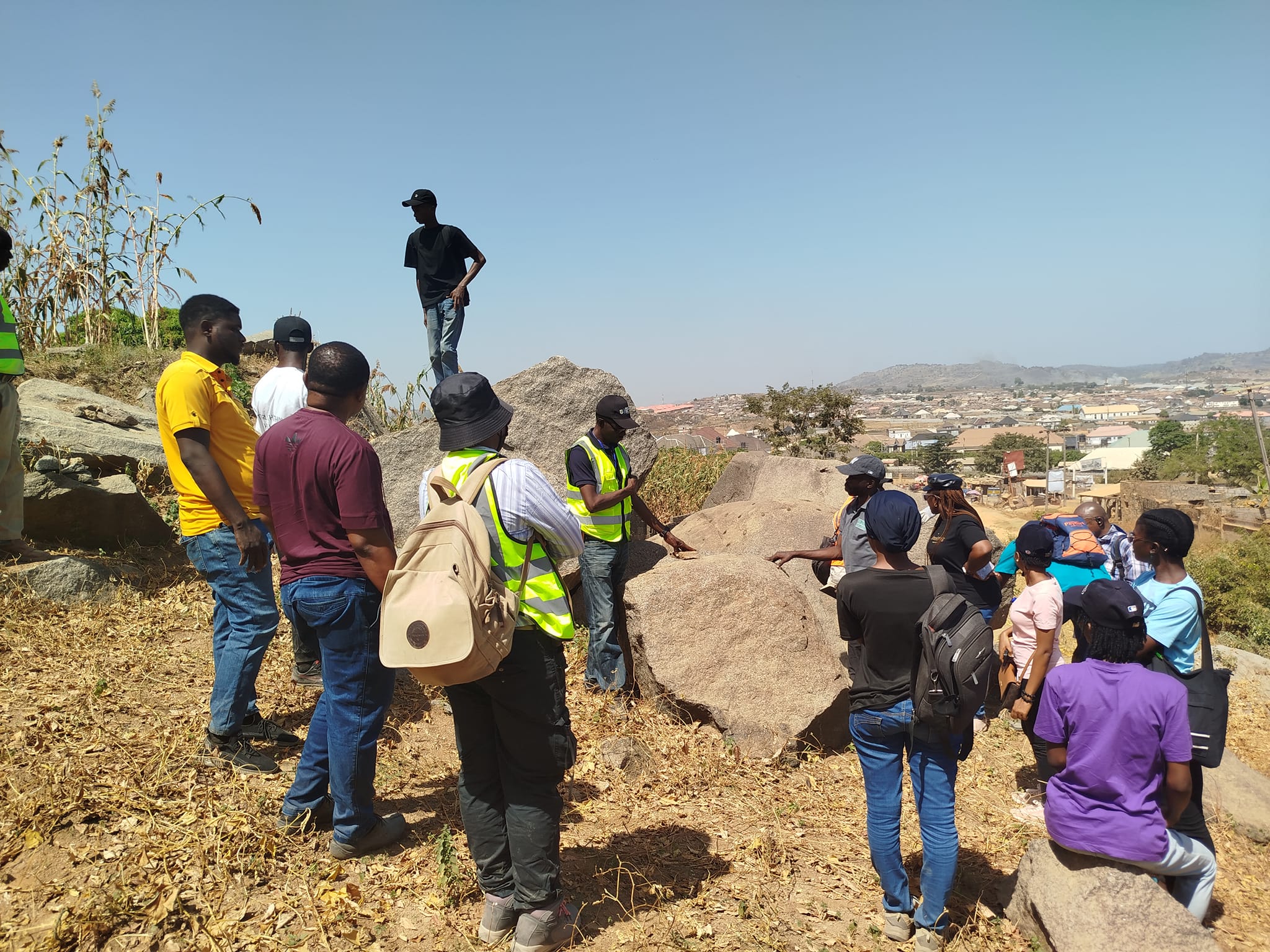
Mining contribution to African economy The major driver of economic development Africa is one of the most resource-rich continents in the world, possessing vast reserves of minerals such as gold, diamonds, copper, cobalt, lithium, iron ore, and bauxite. These resources play a significant role in shaping the economic landscape of many African countries. Mining has become a major driver of economic development, contributing to national income, employment, infrastructure development, and foreign investment. However, while mining offers significant economic opportunities, it also presents challenges that governments and communities must address to ensure sustainable development. This article explores the economic impact of mining on African development and how the sector can be managed to benefit both nations and local communities. Job Creation One of the most immediate benefits of mining is employment creation. Mining operations require a wide range of workers, including engineers, geologists, machine operators, technicians, safety experts, and administrative staff. The mining sector provides employment in two major ways: Direct EmploymentMining companies hire workers for exploration, extraction, processing, transportation, and management. Indirect EmploymentMining activities stimulate the growth of other sectors such as construction, transportation, equipment supply, catering services, and logistics. In many African countries, small-scale mining also supports thousands of families, particularly in rural communities where employment opportunities may be limited. Infrastructure Development Mining projects often lead to the development of important infrastructure that benefits entire regions. To support mining operations, companies invest in: These infrastructure projects often open up remote areas, improving access to markets, healthcare, education, and economic opportunities for surrounding communities. For example, mining-related infrastructure can help farmers transport their produce to markets and encourage the growth of local businesses. Government Revenue and Economic Growth Mining is a major source of government revenue in many African countries. Governments earn income from mining through: These revenues contribute significantly to national budgets and can be used to fund public services such as: In resource-rich countries, mining exports can also strengthen foreign exchange earnings and improve the balance of trade. Community Development Challenges Despite its economic benefits, mining can also create challenges for local communities. Some common issues include: If not properly managed, these challenges can lead to community dissatisfaction and long-term social problems. To address these issues, many mining companies now implement Corporate Social Responsibility (CSR) programs that support community development through education, healthcare, and local infrastructure projects. Sustainable Mining Practices Sustainable mining practices are becoming increasingly important as governments and companies work to balance economic growth with environmental protection. Responsible mining includes: Sustainable mining ensures that natural resources are used responsibly while preserving the environment for future generations. The Future of Mining in African Development Africa’s mineral wealth provides a unique opportunity to drive long-term economic growth and industrial development. However, the success of the mining sector will depend on: By managing mineral resources wisely, African countries can transform mining into a powerful engine for inclusive economic development. Conclusion Mining remains one of the most important sectors contributing to Africa’s economic development. It creates jobs, generates government revenue, stimulates infrastructure development, and attracts foreign investment. However, maximizing the benefits of mining requires responsible policies, sustainable practices, and strong collaboration between governments, mining companies, and local communities. If managed effectively, Africa’s mining industry has the potential to not only extract mineral wealth but also build stronger economies and improve the lives of millions across the continent.
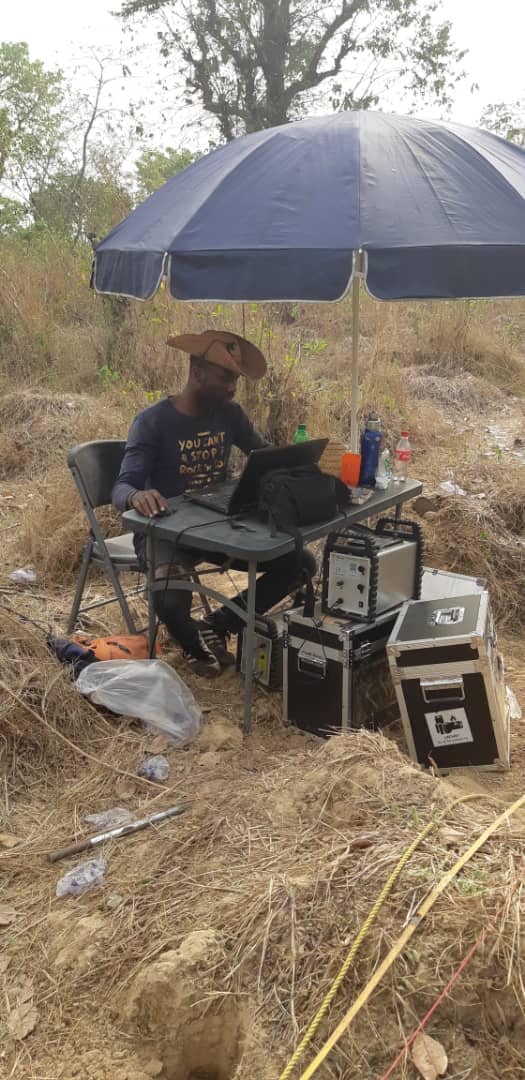
The Future of Mining Technology: How Innovation is Transforming the Mining Industry
Smart mining technology The mining industry has long been known for heavy machinery, manual labor, and physically demanding operations. However, the industry is undergoing a major transformation driven by advanced technology, artificial intelligence, automation, and digital innovation. Today, mining companies around the world are adopting smart technologies that improve efficiency, safety, sustainability, and profitability. These innovations are reshaping how minerals are discovered, extracted, processed, and sold. As the demand for minerals such as lithium, cobalt, copper, and rare earth elements continues to grow—especially with the rise of renewable energy and electric vehicles—the future of mining will depend heavily on technological advancement. This article explores the key technologies shaping the future of mining. 1. Artificial Intelligence in Mineral Exploration Artificial Intelligence (AI) is revolutionizing how mining companies discover new mineral deposits. Traditionally, exploration involved expensive drilling and time-consuming geological surveys. With AI, companies can now analyze large volumes of geological data, satellite imagery, and historical mining records to identify areas with high mineral potential. AI-powered systems can: This technology is helping mining companies discover resources faster and with lower financial risk. 2. Drones for Surveying and Site Monitoring Drones are becoming an essential tool in modern mining operations. Mining companies now use drones to survey land, map mining sites, monitor operations, and inspect equipment. This reduces the need for workers to access dangerous areas. Key benefits of drones include: Drones can also create 3D maps of mining areas, helping engineers plan excavation and improve operational efficiency. 3. Automation and Autonomous Mining Equipment Automation is transforming the way mining operations are carried out. Autonomous trucks, robotic drilling machines, and automated processing systems are reducing the need for manual labor in hazardous environments. Benefits of automation include: Some mining companies already operate fully autonomous truck fleets that run 24 hours a day without human drivers. 4. Internet of Things (IoT) and Smart Mining The Internet of Things (IoT) allows mining equipment, machines, and sensors to communicate with each other through connected networks. Smart sensors installed on mining equipment can monitor: This technology allows mining companies to predict equipment failures before they happen, reducing costly downtime. IoT also improves real-time decision-making and operational efficiency. 5. Green and Sustainable Mining Technologies Environmental sustainability is becoming a major focus in the mining industry. New technologies are helping mining companies reduce environmental damage while maintaining productivity. Examples include: These technologies reduce carbon emissions, water pollution, and land degradation, helping mining companies operate more responsibly. Opportunities for Africa in Mining Technology Africa has vast mineral resources, and technology offers a huge opportunity for the continent to modernize its mining industry. With the adoption of digital tools, African mining companies and entrepreneurs can: Technology also creates new career opportunities for young professionals in fields such as data science, drone operations, AI, and mining engineering. Conclusion The future of mining is being shaped by technology, innovation, and sustainability. Artificial intelligence, drones, automation, IoT, and green energy solutions are transforming the mining industry into a smarter and more efficient sector. For entrepreneurs, investors, and governments across Africa, embracing these technologies will be key to unlocking the continent’s vast mineral wealth while ensuring responsible and sustainable development. The mining industry of the future will not only depend on what lies beneath the earth—but also on the technology used to discover and extract it.
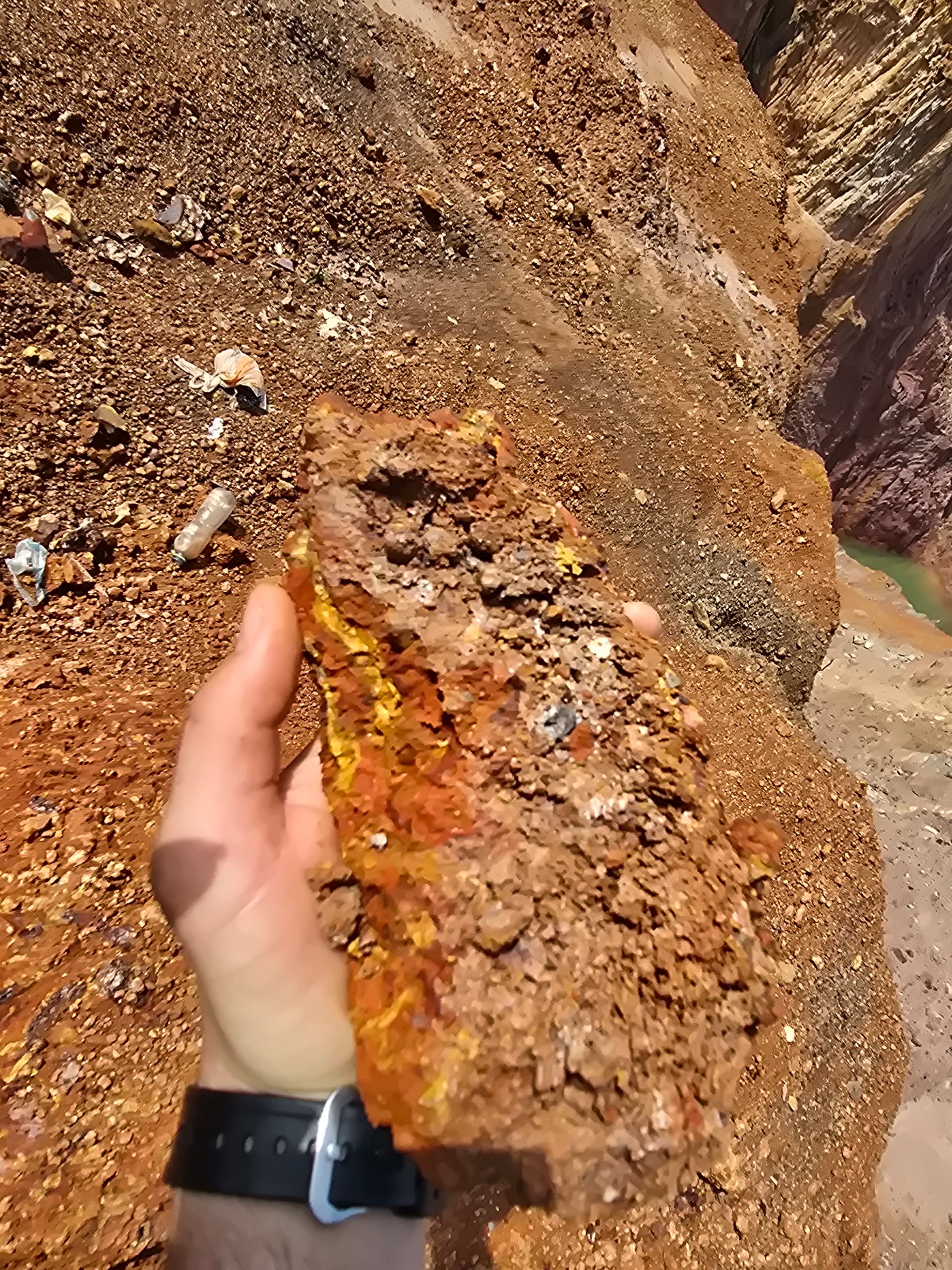
How to Start a Small-Scale Mining Business in Africa
A Practical Guide for Beginners How to Start a Small-Scale Mining Business in Africa Such as gold, diamonds, lithium, cobalt, copper, and iron ore. Africa is one of the most mineral-rich regions in the world, blessed with valuable resources such as gold, diamonds, lithium, cobalt, copper, and iron ore. Small-scale mining has become an important economic activity across many African countries, creating employment opportunities and generating income for thousands of individuals and communities. For aspiring entrepreneurs, small-scale mining offers a promising entry point into the mining industry without the enormous capital required for large mining operations. However, starting a mining business requires proper planning, compliance with regulations, and a good understanding of the market. This guide explains the key steps to starting a successful small-scale mining business in Africa. 1. Understand the Mining Opportunity Before starting, it is important to identify the mineral you want to mine and the location where it can be found. Africa offers opportunities in different minerals depending on the region. Common minerals mined by small-scale operators include: You should conduct basic geological research or consult local mining authorities to confirm the presence of minerals in the area you plan to operate. In many cases, working with a geologist or mining consultant can help you avoid costly mistakes. 2. Legal Requirements and Mining Licenses Mining is a regulated industry in most African countries. Before starting operations, you must obtain the necessary licenses and permits from government authorities. Although the exact requirements vary by country, common licenses include: Prospecting LicenseThis allows you to explore land to determine whether minerals exist in commercial quantities. Small-Scale Mining LicenseThis permit allows individuals or small companies to mine minerals within a specified area. Environmental PermitMost governments require miners to submit an environmental plan that explains how the land will be protected or restored. Land Access AgreementYou may also need permission from local communities or landowners before mining activities begin. Operating without proper licenses can lead to legal penalties, closure of the mine, or confiscation of minerals. 3. Equipment Needed for Small-Scale Mining The type of equipment required depends on the mineral being mined. However, small-scale mining operations generally rely on basic tools and lightweight machinery. Common equipment includes: For gold mining, additional equipment such as sluice boxes, gold pans, and gravity concentrators may be needed. Many beginners start with manual or semi-mechanized equipment before gradually upgrading as their business grows. 4. Estimated Cost of Starting The startup cost of a small-scale mining business varies depending on the mineral, location, and scale of operation. Typical cost components include: Licensing and RegistrationGovernment permits and documentation. Equipment Purchase or RentalMining tools, machinery, and processing equipment. Land PreparationClearing land and setting up mining areas. Labor CostsHiring workers, technicians, and supervisors. TransportationMoving equipment and minerals to processing or selling locations. Environmental ComplianceImplementing environmental protection measures. A basic small-scale mining operation may require an initial investment ranging from $5,000 to $100,000, depending on the scale and equipment involved. Entrepreneurs can raise capital through partnerships, investors, cooperatives, or mining associations. 5. Environmental and Safety Considerations Responsible mining practices are critical to protecting the environment and local communities. Small-scale miners should adopt sustainable practices such as: Safety is also essential. Mining can be dangerous if proper precautions are not taken. Operators should ensure: Responsible mining helps build community trust and ensures long-term sustainability. 6. Marketing and Selling Minerals After mining and processing minerals, the next step is finding reliable buyers. Common channels for selling minerals include: Local Mineral MarketsMany mining regions have official mineral trading centers. Licensed Mineral BuyersGovernment-approved buyers often purchase minerals directly from miners. Export CompaniesSome companies specialize in exporting minerals to international markets. Industrial BuyersManufacturers that require minerals for production processes. To maximize profits, miners should understand the current market price of minerals and ensure proper grading and quality control. Building relationships with trusted buyers and brokers can help ensure consistent sales and better pricing. 7. Build Partnerships and Join Mining Associations Networking plays a major role in the success of a mining business. Joining mining cooperatives or associations can provide benefits such as: Collaboration can significantly reduce costs and improve profitability for small-scale miners. Conclusion Small-scale mining presents a powerful economic opportunity for entrepreneurs in Africa. With the continent’s abundant mineral resources, individuals and small businesses can build profitable ventures while contributing to local economic development. However, success in mining requires careful planning, legal compliance, responsible environmental practices, and strong market connections. By understanding the regulatory requirements, investing in the right equipment, and building reliable partnerships, beginners can successfully establish and grow a sustainable small-scale mining business in Africa.